Maximizing Brand Impact with Effective Jewelry Counter Displays
Understanding the Importance of Counter Displays
Counter displays have become a pivotal component for luxury jewelry brands seeking to make a lasting impression on their customers. Beyond serving as mere holders for exquisite pieces, these displays play a significant role in narrating a brand’s story and enhancing the overall shopping experience. This multifaceted functionality encompasses various psychological aspects that can deeply influence consumer behavior.
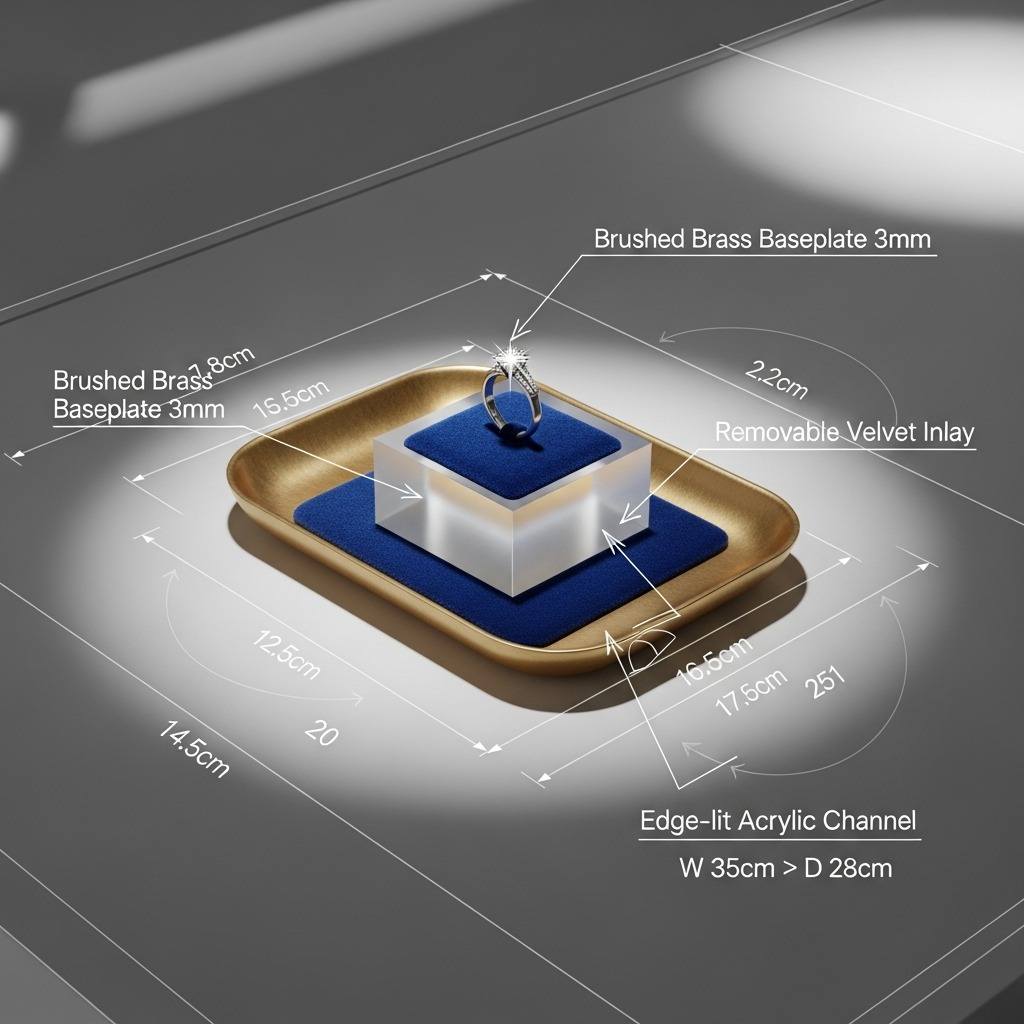
One primary factor is the psychology of visual merchandising. Effective counter displays can captivate a shopper’s attention and draw them into an immersive brand experience. By presenting jewelry in an aesthetically pleasing and organized manner, retailers can create an inviting atmosphere that encourages exploration and interaction with the products. This approach not only sets the tone for a luxurious shopping experience but also helps in elevating the perceived value of the jewelry on display.
Moreover, the design of the counter display can significantly reinforce brand identity. Unique materials, colors, and layouts can immediately communicate a brand’s heritage, allowing customers to make emotional connections with the jewelry. For instance, a showcase adorned with rich woods and metallic accents may reflect an artisanal approach, while sleek minimalist designs could speak to modernity and sophistication. This alignment between the counter display and the brand’s visual identity fortifies recognition and loyalty among discerning consumers.
Furthermore, effective counter displays segregate various jewelry collections or themes, guiding the shopping journey through a curated experience. This not only enhances convenience for customers but also strategically positions products to drive sales. When customers feel they are in a thoughtfully designed environment that mirrors their lifestyle aspirations, the likelihood of purchase increases significantly.
Innovative Design Elements for Custom Counter Displays
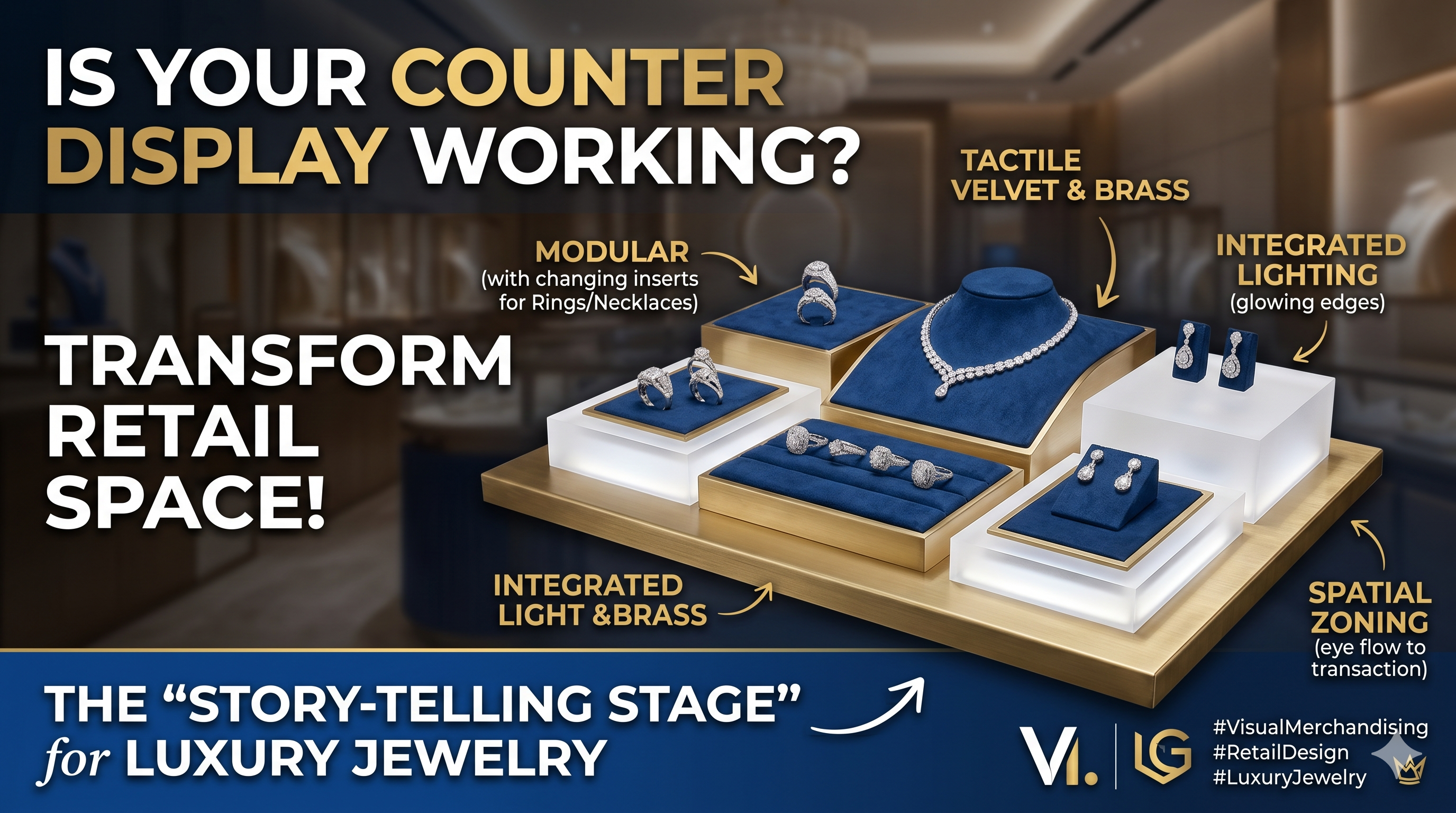
In the retail environment, particularly in the jewelry sector, effective counter displays play a pivotal role in enhancing customer engagement. The design elements of these displays can significantly influence how products are perceived and interacted with. An essential aspect to consider is spatial zoning, which involves effectively organizing the display to create distinct areas for different types of merchandise. By delineating sections for various collections, such as earrings, bracelets, or necklaces, retailers can streamline the shopping experience, making it easier for customers to locate what they are interested in.
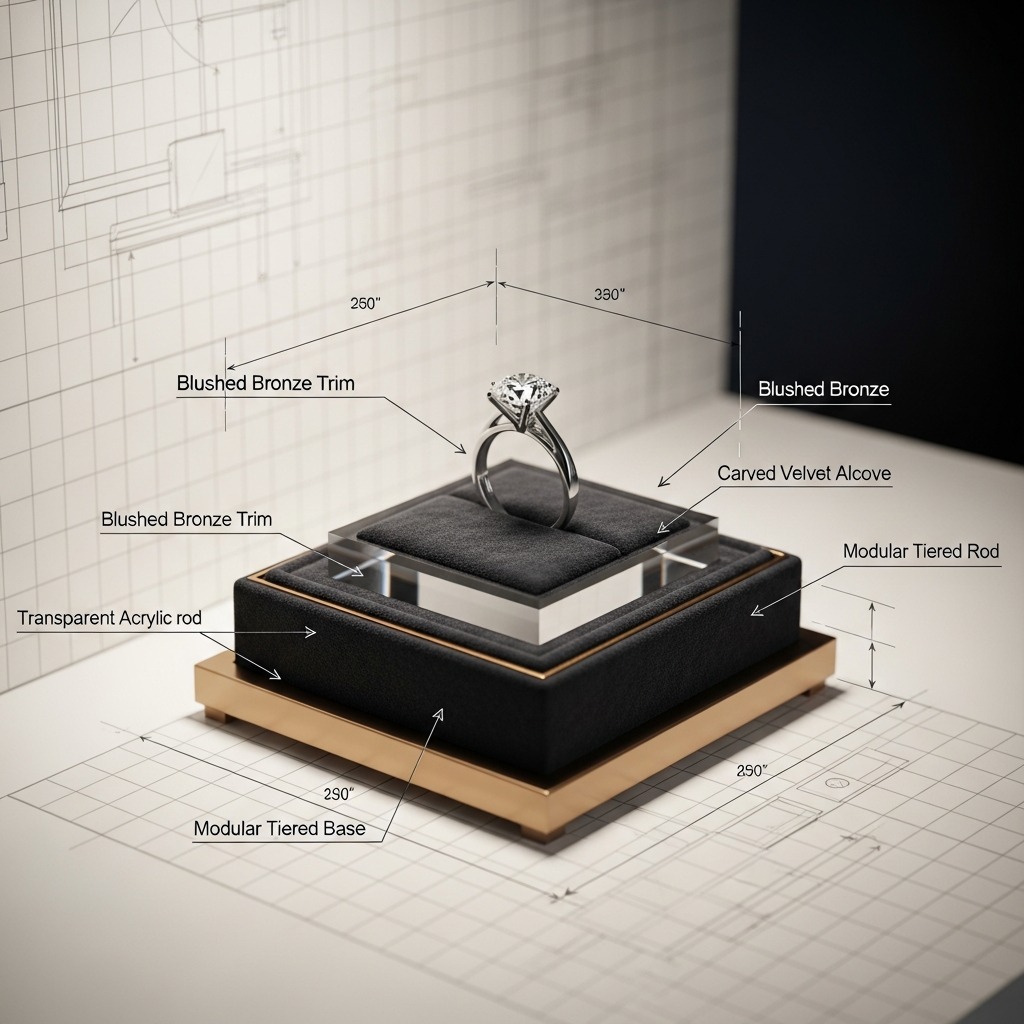
Tactile contrast is another critical design element that can enhance the functionality and appeal of jewelry counter displays. Incorporating various materials, colors, and textures can create visual interest and invite customers to touch and interact with the merchandise. For instance, a display featuring satin fabric alongside polished wood creates a striking contrast that can draw the eye and emphasize the luxury of the jewelry.
Moreover, hidden flexibility within counter displays can facilitate adjustments and reconfigurations according to seasonal trends or special promotions. Retailers can benefit from displays that allow easy rearrangements—such as detachable or movable components—that enable them to refresh their setup and maintain customer interest without incurring significant additional costs.
Integrated illumination is another vital design element that significantly affects counter displays. Effective lighting not only highlights the sheen and brilliance of jewelry pieces but can also create an inviting atmosphere. Thoughtfully placed LED lighting can guide the customer’s gaze toward featured items, making them more appealing and encouraging exploration.
Incorporating these innovative design elements into custom counter displays will enhance their effectiveness, inviting customers to engage more meaningfully with the products on offer and elevating the overall shopping experience.
The Commercial Impact of Effective Displays
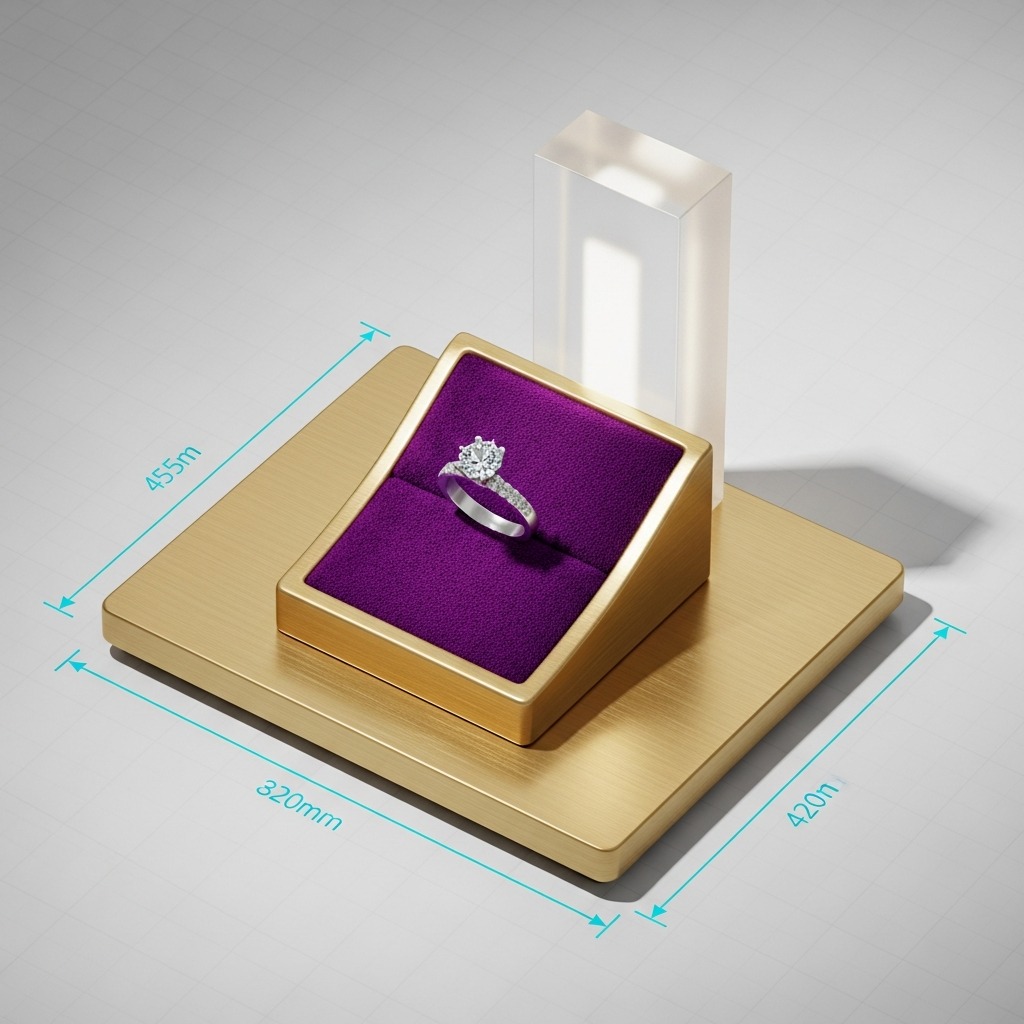
Investing in custom counter displays is a strategic move that can yield significant commercial benefits. These displays are not merely aesthetic upgrades; they play a critical role in enhancing the perceived prestige of a brand. A well-designed jewelry counter display attracts customers’ attention and reinforces a high-end image, which is essential for positioning luxury products. The effective use of visuals and materials can communicate the values and essence of the brand, ultimately influencing customer perception positively.
Moreover, efficient counter displays can lead to improved sales associate efficiency. With a well-structured display, associates can effortlessly guide customers through the product offerings, allowing for quicker transactions and enhanced motivation to engage. This efficiency is further amplified when displays are organized by theme or collection, enabling associates to provide tailored recommendations based on customer interests. As a result, not only is the customer experience enriched, but the associates also benefit from streamlined operations, leading to increased sales.
Transforming counter spaces into storytelling platforms represents another layer of value addition. Effective counter displays can evoke an emotional connection among potential buyers, allowing brands to narrate their story through product placement and accessibility. For instance, consider a jewelry brand that effectively uses its display to showcase a new collection inspired by a cultural motif. This approach can deepen customer engagement as shoppers are drawn into the narrative behind the pieces. The incorporation of visual elements and storytelling showcases the brand’s identity, establishing a memorable experience that can influence purchasing decisions.
In conclusion, custom counter displays offer tangible commercial advantages by elevating brand prestige, enhancing associate performance, and creating engaging storytelling experiences. These elements are integral for businesses seeking to maximize their impact in the competitive jewelry market.
Addressing Material and Design Challenges
Luxury jewelry brands often encounter a myriad of challenges when designing and implementing counter displays. One significant hurdle lies in balancing artistic expression with functional design. Displays must not only be visually appealing but also serve practical purposes such as product visibility, accessibility, and security. Materials selected for these displays play a critical role in achieving this balance. For instance, while glass and polished metals might convey sophistication, they can also pose challenges in terms of weight, fragility, or maintenance.
The choice of materials typically hinges on the brand’s target audience as well as the type of jewelry being showcased. Brands must engage in a thoughtful evaluation of their material selection process. Artisans might prefer to use sustainable materials that resonate with environmentally-conscious consumers, reinforcing brand values. On the other hand, brands with a high-fashion clientele may opt for luxurious materials that reflect opulence, aligning with the expectations of their customers.
Moreover, logistics play a crucial role in the design and implementation of jewelry counter displays, necessitating a thorough understanding of the retail environment and consumer behavior. Brands must consider dimensions, weight distribution, and the overall aesthetic harmony of the display within the store layout. Preparing for the upcoming retail season requires a strategic approach, involving not just the design of displays but also the timing of their installation and the potential need for seasonal updates. Engaging in dialogue about these experiences can help brands glean insights and share best practices that may mitigate these challenges.
In conclusion, as luxury brands navigate the complexities of counter display design, fostering collaboration and open discussions among peers may illuminate innovative solutions to these design and material challenges.